Honest Science Workshop
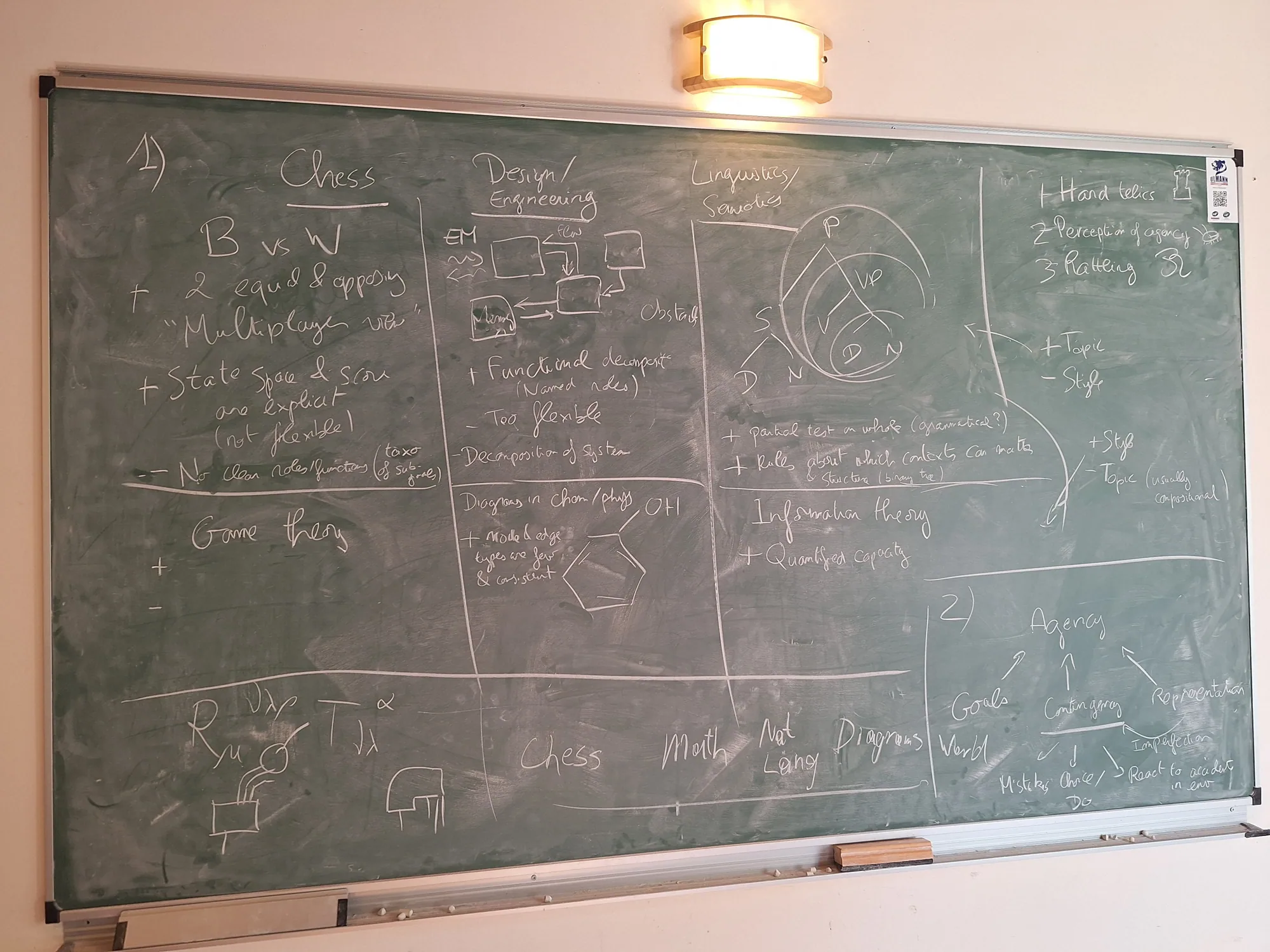
The deeper we study complex systems of this world, the more these systems begin to question us back. About how our models can affect the system. About relationality of measurement. About what it means to observe.
And about who you are when you’re doing the science. This workshop lives there.
September 20 – 27, 2026 · INTP.science, French Pyrenees · 10–20 participants · Early bird price ends May 31 (8 spots left)
Interested? Sign up for an intro call to find out if it’s a good fit.
Can’t make it this time? Tell us why — you’ll receive a €50 discount on the next retreat.
The core idea
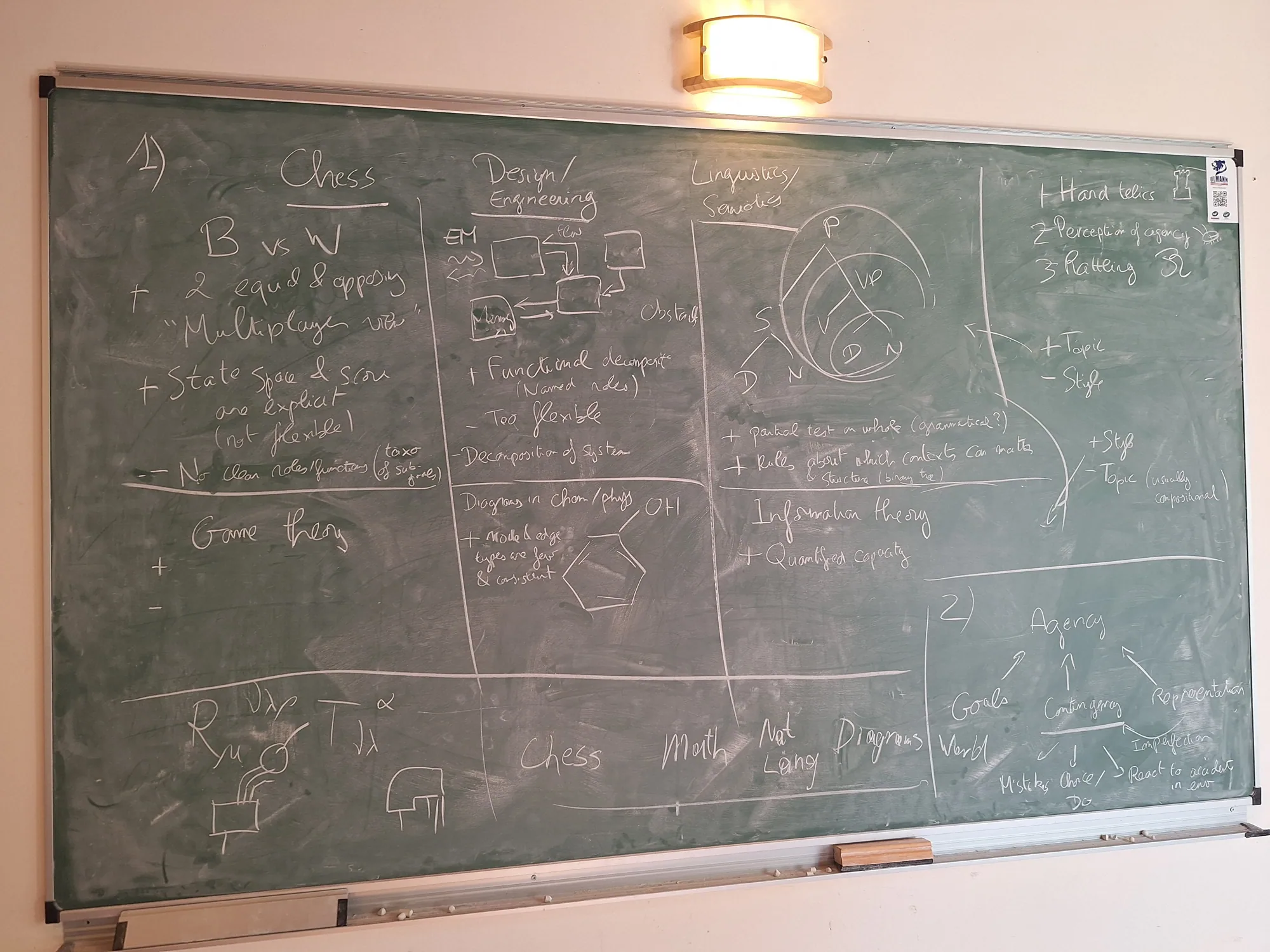
What actually drives your science? Not the fundable version—the real thing. The questions you think about in the shower. The worldview you’re not sure you’re allowed to admit. The intuitions that feel too personal to put in a paper.
Most of us have forgotten, or learned not to say. We hide behind methodology. We perform “serious scientist” because the alternative feels too vulnerable, too crackpot, too intimate.
The reason this is so hard isn’t just social pressure. Most of science trains you to avoid these questions entirely. In simple systems, you don’t need to ask them—reductionism gives you a default worldview for free. But the more you work with complex systems, the more that default starts to strain. Emergence, agency, observer-dependence, meaning—these aren’t questions you can keep deferring. They shape what you study, how you model it, and what you count as an explanation. At some point, you have to face them.
What we’ll actually do
The workshop runs two intertwined arcs across the week. They support each other: the inner work makes the research more honest; the research gives the inner work substance and direction.
The research arc
Every participant presents their work—not the polished conference version, but the real questions underneath. We map the field’s landscape together through structured discussions (World Café, fishbowl conversations), then self-organize into collaboration sessions around whatever has the most energy. By the end of the week, we’re working toward shared research outputs: a collectively authored field-mapping document, collaboration commitments, and communication plans.
The inner arc
You arrive in performance mode. Everyone does. The first days soften that—through nature, honest framing, and listening with curiosity rather than critique. Mid-week, we turn the lens inward: where have incentive structures distorted your scientific judgment? Where are you optimizing for proxies—publications, citations, fundability—instead of the questions you actually care about? This is epistemic debugging: noticing where fear, ego, and Goodhart effects have shaped your work. By the end, you articulate what you actually believe and what you’re going to do about it.
This is a chance to reflect on our scientific path together – how did we get here? What happened along the way? And where do we actually want to go?
Our worldview: the implicit assumptions
Your worldview is the set of deep assumptions that shape your life and research before you even start. Everyone has one. Many scientists have never examined theirs explicitly — which means these assumptions operate invisibly, creating blind spots, unquestioned defaults, and failure modes we can’t see because we’re inside them.
Here’s what it might look like in practice:
These aren’t idle philosophy. Your implicit answers determine what questions you ask, what evidence you trust, what models you build, and which colleagues you take seriously. And when those answers stay implicit, they become invisible constraints—you rule out entire research directions without realizing you’ve made a choice.
This workshop is about making those answers explicit—and discovering what becomes possible when you do.
Why complexity science?
In simple systems, you rarely need to think about worldview. The reductionist toolkit handles most of what you encounter, and materialism works well enough as a background assumption.
Complex systems put more pressure on those assumptions. When you study emergence, self-organization, collective intelligence, or consciousness, you run into questions that the standard toolkit doesn’t fully resolve. What counts as a “cause” when causation flows in multiple directions? What counts as an “agent” when agency is distributed? What’s the relationship between the model and the modeler when you’re a complex system studying complex systems?
Reasonable people disagree on these questions—and that’s precisely the point. They aren’t failures of rigor; they’re places where worldview choices become scientifically consequential.
Contemplative practice enters here as a first-person empirical method—a way to investigate the phenomena (attention, awareness, meaning, emergence-as-experienced) that third-person models point to but can’t fully capture. This workshop integrates three epistemic modes:
First-person (contemplative)
Direct investigation of experience
Second-person (relational)
Authentic exchange that surfaces hidden assumptions
Third-person (formal)
Complexity science, modeling, data
Most research uses only the third. We think integrating all three produces better science.
Why this matters for your work
| Clarity on your research program | When you know what you actually believe about emergence, agency, or consciousness, you stop hedging and start building a coherent body of work. |
| Grant writing gets sharper | You don’t need to hide your worldview—just translate it. Once you know what you’re saying, the language comes. |
| Collaborations that go somewhere | High-trust relationships built through honest exchange. You leave with specific people working on specific things. |
| Shared research outputs | A collectively authored position paper mapping the field. Refined research questions. Collaboration plans. |
| Communication becomes natural | When you speak from what you actually believe, students listen, audiences connect, and writing stops feeling like performance. |
The format
- 10–20 participants (small enough for real intimacy, large enough for intellectual diversity)
- Morning contemplative practice (optional—yoga, meditation, walking in the Pyrenees)
- Lightning talks from every participant—the real version, not the conference version
- Structured research discussions: World Café, fishbowl conversations, collaborative mapping
- Self-organized collaboration sessions (Open Space format)
- Work toward shared research outputs
- Long lunches and evenings for the conversations that actually matter
- Mid-week contemplative day for integration and epistemic debugging
What this is NOT
- A meditation retreat (though contemplative practice is woven in as epistemic method)
- An academic conference (no panels, no proceedings, no performing expertise)
- A vacation (we’re doing real work, just differently)
- For everyone (small, selective, for researchers who want depth and are willing to be honest)
Logistics
| Dates | September 20–27, 2026 (arrival Sunday evening, program Mon–Fri, Saturday open) |
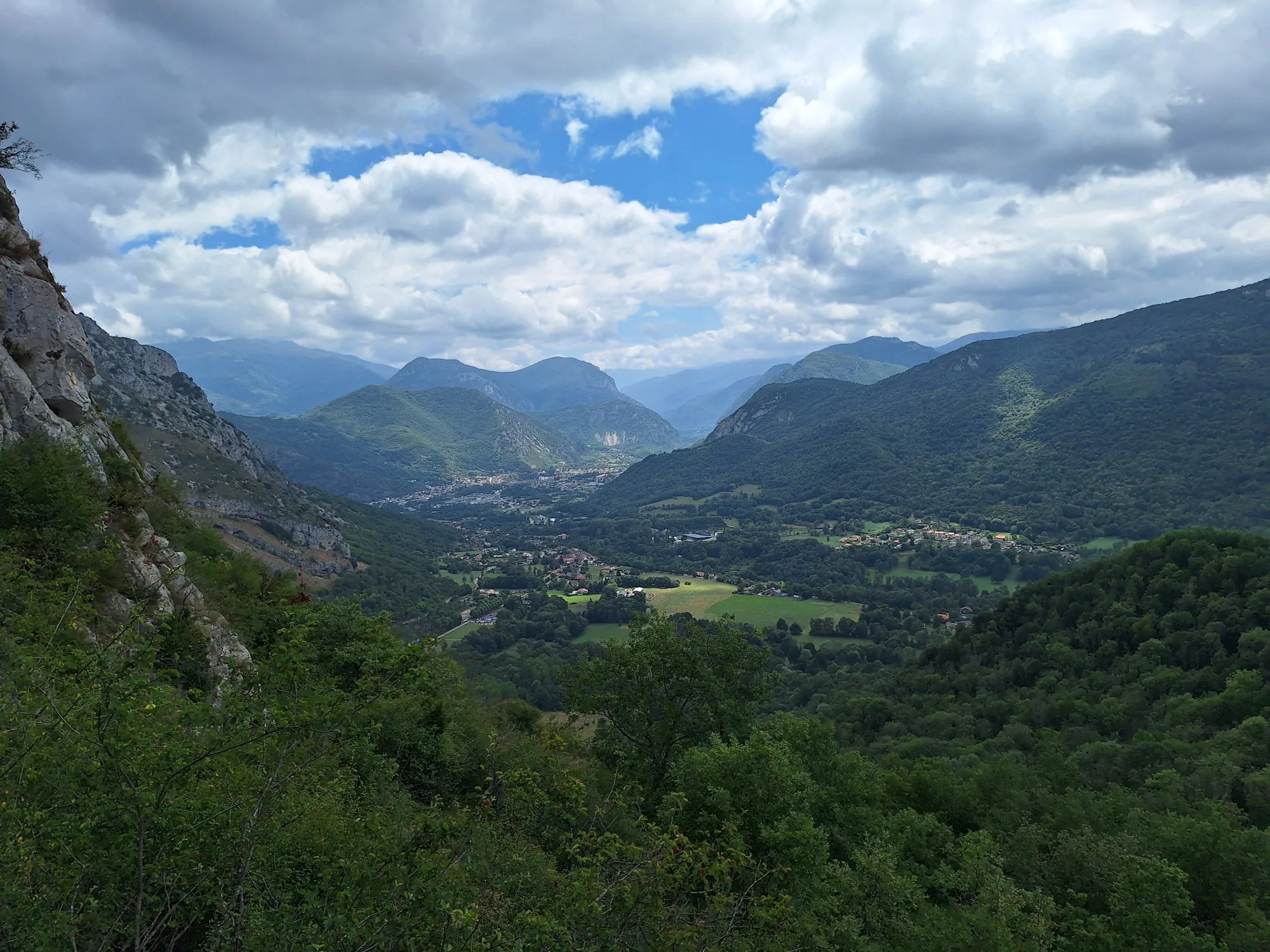
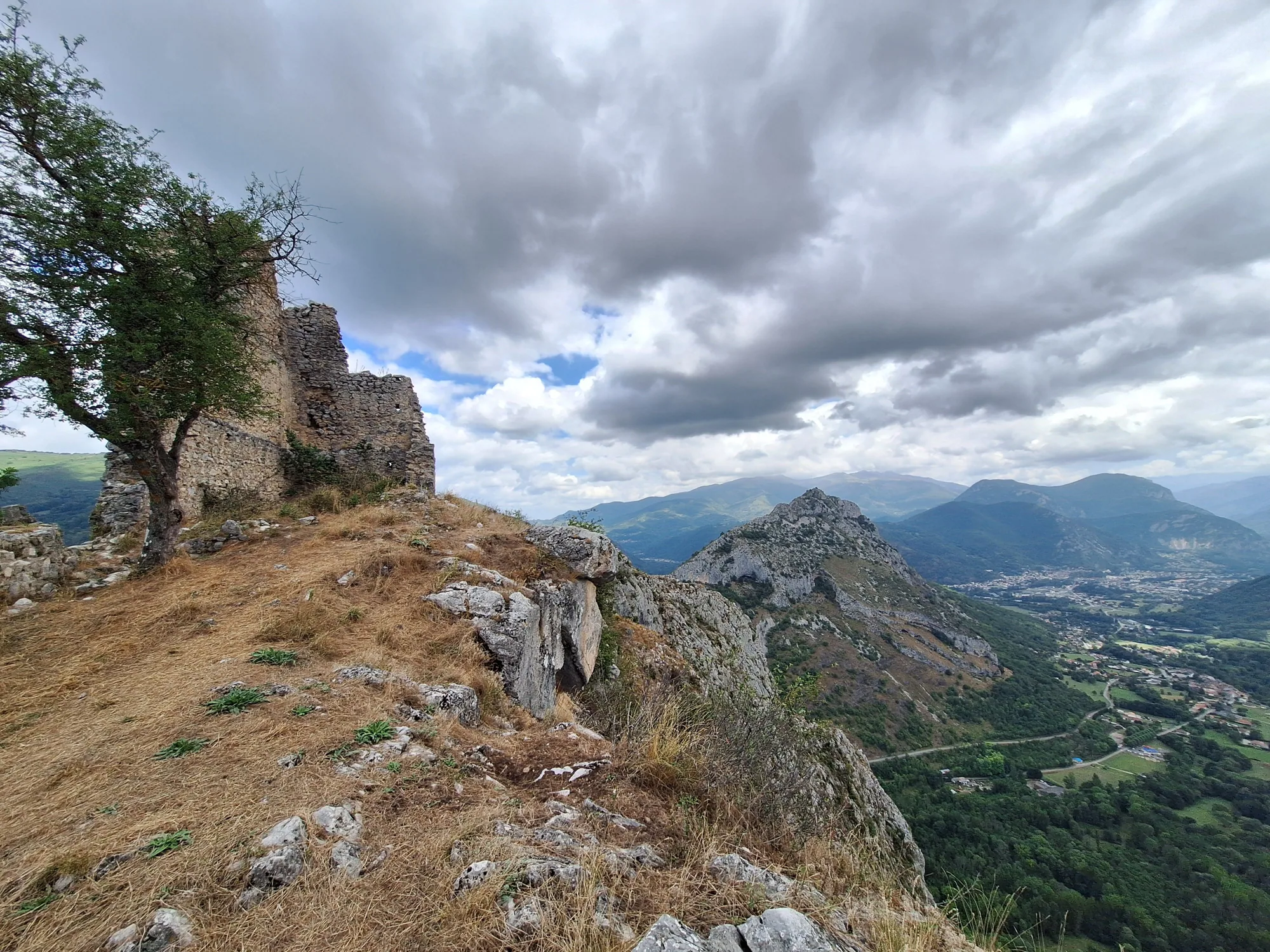
| Venue | INTP.science — a research residency in the French Pyrenees. Mountains, forests, deep quiet. Good for thinking. Good for not thinking. |
| Capacity | 10–20 participants |
| Accommodation | Shared rooms (2 people). We’ll try to accommodate special needs. |
| Meals | Vegetarian, included in cost. |
| Travel | Fly to Toulouse or Barcelona, then train/carpool to the Pyrenees. |
| Cost | Early bird: €550 — 8 spots, until May 31 Standard: €650 — until Aug 15 Late: €750 — Aug 15 onwards Includes accommodation + vegetarian meals. Few scholarships available — reach out. Also joining Work Alive Retreat the week after? €200 off the combined price. |
| Refunds | Full refund up to 1 month before (by Aug 20); 50% up to 2 weeks before (by Sep 6). Not sure if you can make it? Register at early bird now — you can always cancel for a full refund if your plans change. |
The workshop includes research presentations, collaborative sessions, and planned publication outputs—designed to be legible for institutional travel funding.
Related
- CSCSC25 Conference — Our inaugural virtual workshop (October 2025)
- Core questions — The questions driving our community
- INTP Pyrenees — Our venue partner
- ABOUT CSCSC — Learn more about our community
- INTP Mindful Research Retreat 2025 — a related retreat we ran last year
Recordings
- recording1:07:31
- film4:36