This site is new and still being built. Spot something off? Write to us.
About

People

CSCSC is run by volunteers. Below are the organizers, our advisory board, and some of the people who have spoken at our gatherings.

Organizers

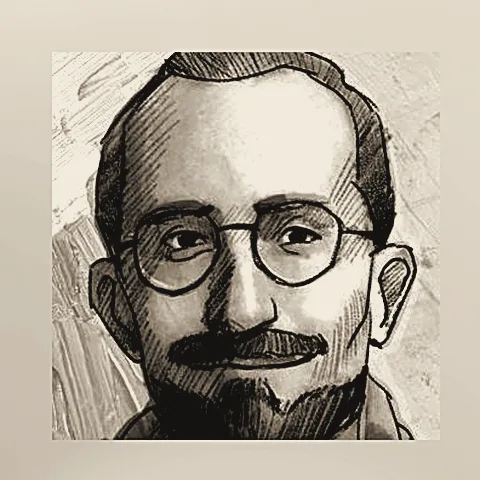
Pavel Chvykov

Complex systems, AI, mindfulness · IGDORE

Pavel trained as a theoretical physicist (PhD, MIT), studying how order arises in systems that no one is steering. Alongside that work he spent years in contemplative and relational practice, and kept finding that the two were looking at the same thing from opposite sides: how a mind, a body or a group organizes itself. Academia had room for one or the other, rarely both in the same conversation, so in 2025 he started CSCSC to make that room. He works on both directions of the exchange: what the formal tools of complexity science can say about questions contemplatives care about, and what contemplative practice can change in how research itself is done.
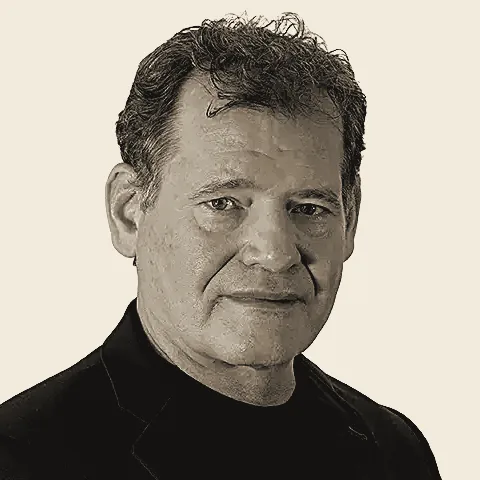
Fr. Robert Marsland

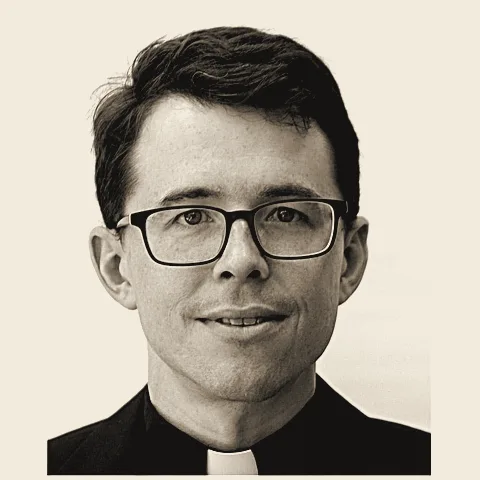
Theoretical ecology, Trinitarian theology · Pontifical University of the Holy Cross

Fr. Robert did his PhD in physics at MIT, studying statistical mechanics and origins of order. As a postdoc he turned to large, diverse ecosystems: what the statistics of thousands of interacting species say about which of them can coexist. He then went on to a second doctorate, in theology at the Pontifical University of the Holy Cross in Rome, and became a Catholic priest. Holding both ways of knowing in one life, he co-founded CSCSC to bring them into one conversation, and he holds the place where a physicist’s model of a living system and a contemplative tradition’s account of it have to meet without either being reduced to the other.

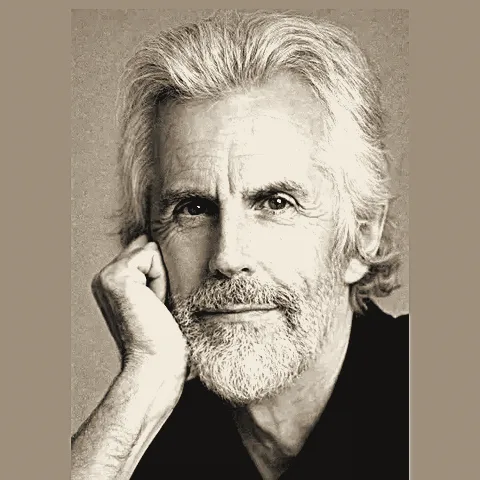
Matthew McCarthy

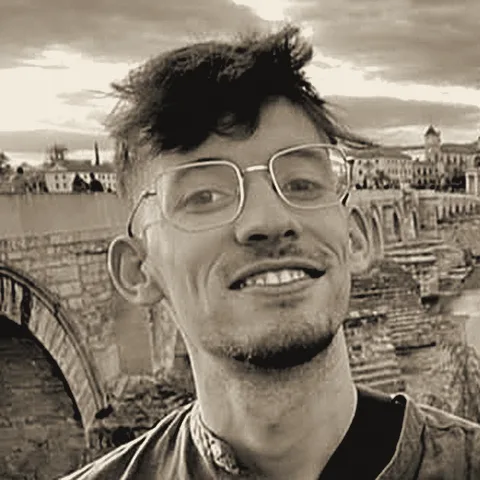
Collective imaginaries · VUB

Matthew studies collective imaginaries at the Vrije Universiteit Brussel: the shared pictures of the world a group lives inside, mostly without noticing. His interests run from the ontological turn in anthropology and geophilosophy (thinking with land and place) to the question of how new ways of knowing can be held inside institutions rather than staying at the margins. His question for CSCSC is the one a young field meets first: how people trained in physics, ecology, philosophy and contemplative traditions build a vocabulary they can share.

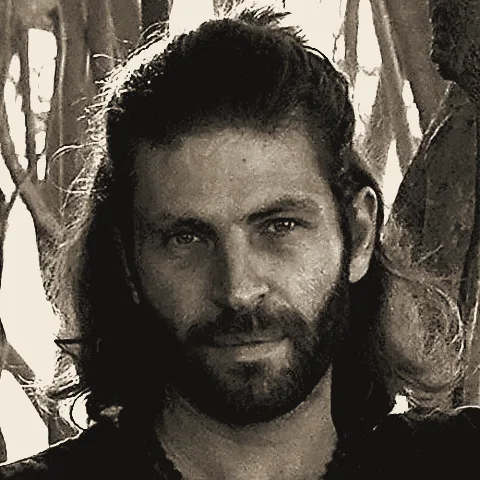
Matthieu Barbier

Physics, theoretical ecology · INTP

Matthieu is a theoretical ecologist at the Plant Health Institute in Montpellier (CIRAD), who uses statistical mechanics to ask what large food webs and plant microbiomes can and cannot be predicted to do. To CSCSC he brings epistemic mapping: understanding how different disciplines think and what moves the people in them, so that work across disciplines can actually be productive. That is also what he is building at INTP, the research residence he directs in the French Pyrenees, where our retreats take place: a place where researchers from different fields work together on more than their methods. It sits close to our idea of a research monastery.

Advisory board

John Dunne

Buddhist philosophy, contemplative science · UW-Madison

John holds the Distinguished Chair in Contemplative Humanities at the University of Wisconsin-Madison, where he works with the Center for Healthy Minds. A scholar of Buddhist philosophy - in particular Indian and Tibetan accounts of perception and knowledge - he has spent much of his career putting those accounts in conversation with cognitive science: in studies of consciousness, of intensive meditation practice, and of contemplative education. He is a Fellow of the Mind & Life Institute and has served on its board. His work is the closest precedent for what we are attempting - contemplative theory treated as a partner in science, and not only as its object.

Francis Heylighen

Cybernetics, self-organization · VUB

Francis is a cyberneticist at the Vrije Universiteit Brussel, where he leads the Center Leo Apostel for interdisciplinary research (CLEA). Since co-founding the Principia Cybernetica Project in 1989 he has worked toward one vocabulary for self-organization, from networks of chemical reactions to the “global brain” of a connected society. In his process view, agents and minds are networks of interactions rather than things - close to the “relational and emergent” reality that CSCSC starts from.

Some past speakers

All talks →

And the 150 or so members of the community, who find each other on the forum and the monthly calls.