On spiritual practice, translation, and what gets left behind

Inspired by the April community call led by Jordan Borgman
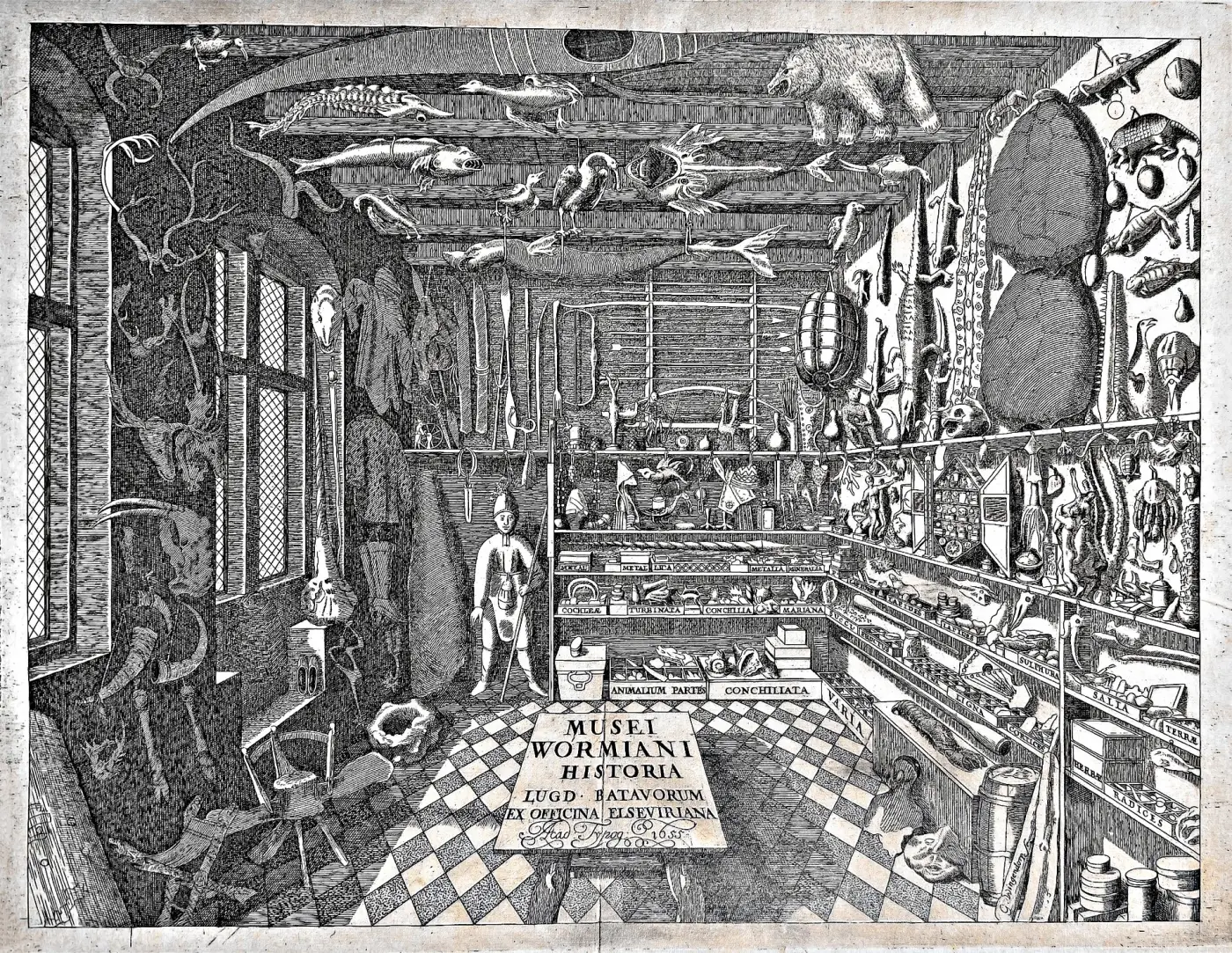
Imagine walking into a museum and lifting a single object from a carefully arranged room — a compass, say, or a ceremonial bowl — and carrying it home. The object is real. It is in your hands. But something has changed. Removed from its context, from the other objects it was in conversation with, from the light falling on it in a particular way, it is also somehow less than what it was. It is the same thing and not the same thing.
This is roughly the question that sits at the heart of how many of us engage with contemplative traditions today. A mindfulness app sends its daily notification. A corporate retreat promises “ancient Zen techniques” for workplace productivity. Someone returns from a retreat glowing, describing practices drawn from traditions they encountered for the first time two weeks ago. None of this is insincere. But it does raise a question worth sitting with: when we lift a practice out of the tradition that formed it and place it into a new setting, what travels with us — and what stays behind?
To take this question seriously, it helps to understand what these traditions actually were — not as we tend to imagine them, but as they understood themselves. The medieval Christian contemplative traditions, to take one richly documented example, were not a toolkit of techniques that happened to come wrapped in theology. They were something more like a total ecology. The self, in that world, was genuinely porous — not as a poetic way of describing emotional openness, but as a description of how reality was understood to work. Divine grace, angelic presence, even demonic interference were thought to enter the human being through the same apertures. The boundaries between inner life and outer world were genuinely fuzzy, not merely theorised as such.
Knowledge, in this ecology, worked differently too. The contemplative traditions held that wordless, unmediated experience sat at the top of a hierarchy of knowing — above argument, above scripture, above doctrine. And crucially, they treated this not as a private feeling but as something that could be cultivated, verified, and transmitted. They developed what we might call training manuals: stepwise progressions through states of prayer, careful descriptions of what to expect and what to watch out for, guidance from directors who had travelled the same path further. This was not mysticism as inspiration. It was mysticism as disciplined practice, embedded in a web of community, formation, and shared belief about the nature of reality.
So what happens when we reach into that web and pull something out? The philosopher Charles Taylor offers a useful image here: the transition from the porous medieval self to the modern buffered self is like the closing of a membrane. Where once the world could flow in and the self could flow out, now there is a sealed boundary — an interior life that is fundamentally our own, shaped by psychology and experience, but no longer genuinely open to the cosmos. We did not merely change our beliefs. We changed the structure of experience itself.
This matters because the contemplative handbooks were written for people on the other side of that membrane. They were written for practitioners already embedded in years of liturgical practice, communal rhythm, and a formation process that preceded any direct engagement with the methods themselves. The methods were not entry points; they were downstream of a long preparation. Think of it less like a recipe that anyone can follow, and more like the final movement of a symphony — extraordinary on its own terms, but missing something essential if you have never heard what came before.
There is also the question of difficulty. The contemplative path, in virtually every tradition that has taken it seriously, moves through extended periods of darkness — what John of the Cross famously called the dark night of the soul. These were not understood as unfortunate side effects to be minimised. They were understood as the path itself, the terrain through which transformation happened. Strip those passages out, as contemporary wellness adaptations tend to do, selecting for the luminous states and designing out the discomfort, and you have changed more than the packaging. You may have quietly inverted the logic of the whole thing.
The philosopher Evan Thompson has argued that the interpretive framework within which an experience occurs is not separable from the experience itself — the frame shapes what is undergone, not just how it is described afterward. If this is right, then the cosmological beliefs surrounding medieval contemplative practice were not decoration. They were part of the apparatus through which a certain kind of experience became possible. Changing the frame does not deliver a purer version of the same experience, like peeling away a husk to reach the seed. It may deliver something differently constituted altogether.
None of this is an argument for leaving these traditions alone, or for assuming that only those born inside a tradition can draw from it. Traditions have always travelled, mingled, and transformed one another — that movement is part of what keeps them alive. The question is not whether borrowing happens, but whether it happens with enough honesty and curiosity to remain genuinely open to what is being encountered.
And what is being encountered, when we look carefully, is genuinely strange — stranger than we usually allow ourselves to notice. The porous self is not simply a poetic way of describing the feeling of being connected to something larger. It is a different account of what a human being is. The dark night is not simply a metaphor for hard times. It is a claim about the structure of transformation. The director is not simply a wellness coach with better source material. She is a figure whose authority is grounded in an entire world that no longer exists in the same form.
Perhaps the most honest question we can ask, then, is not “am I doing this right?” but something more open-ended: what am I actually hoping to find? If the answer involves something like depth, or stillness, or a different relationship to the relentless noise of modern life, then these traditions have something real to offer — and they deserve to be engaged with seriously enough that we notice what we are and are not taking on. If the answer involves something more radical — a genuinely different way of knowing, a different account of what the self is and what the world is made of — then the question becomes whether we are willing to follow that hope somewhere truly unfamiliar.
The traditions are still there, holding out the compass. The question is whether we are curious enough to ask what it was actually for.